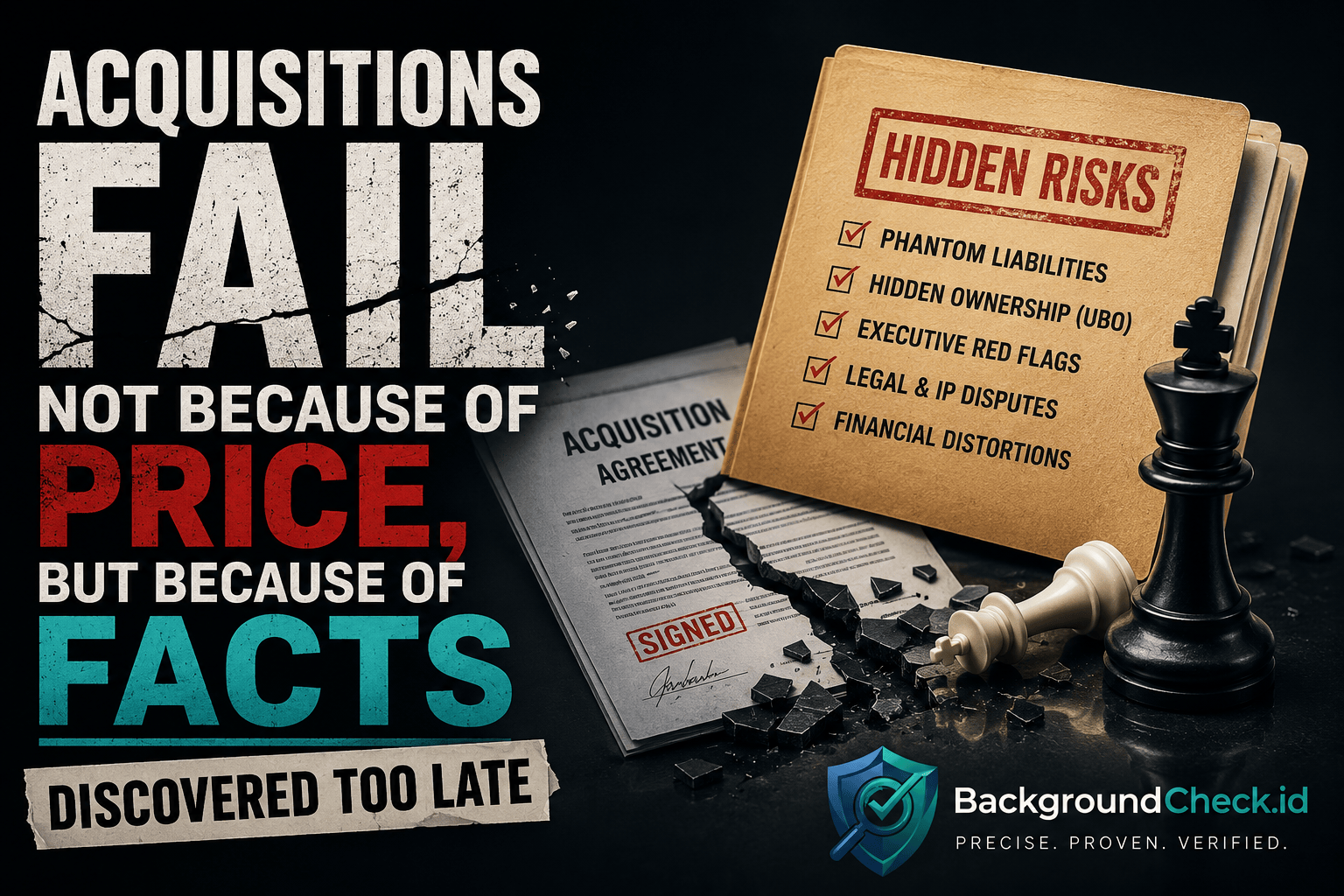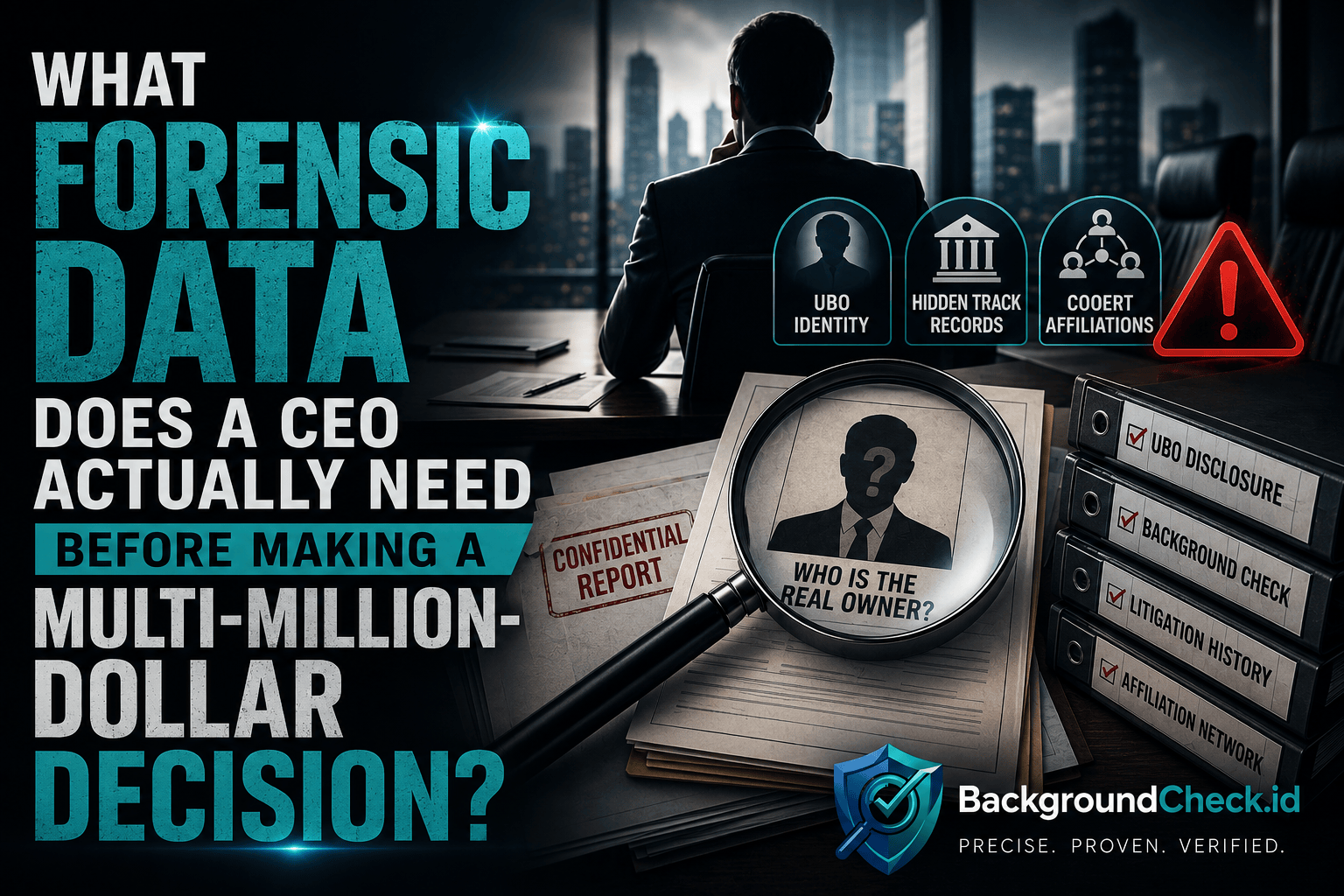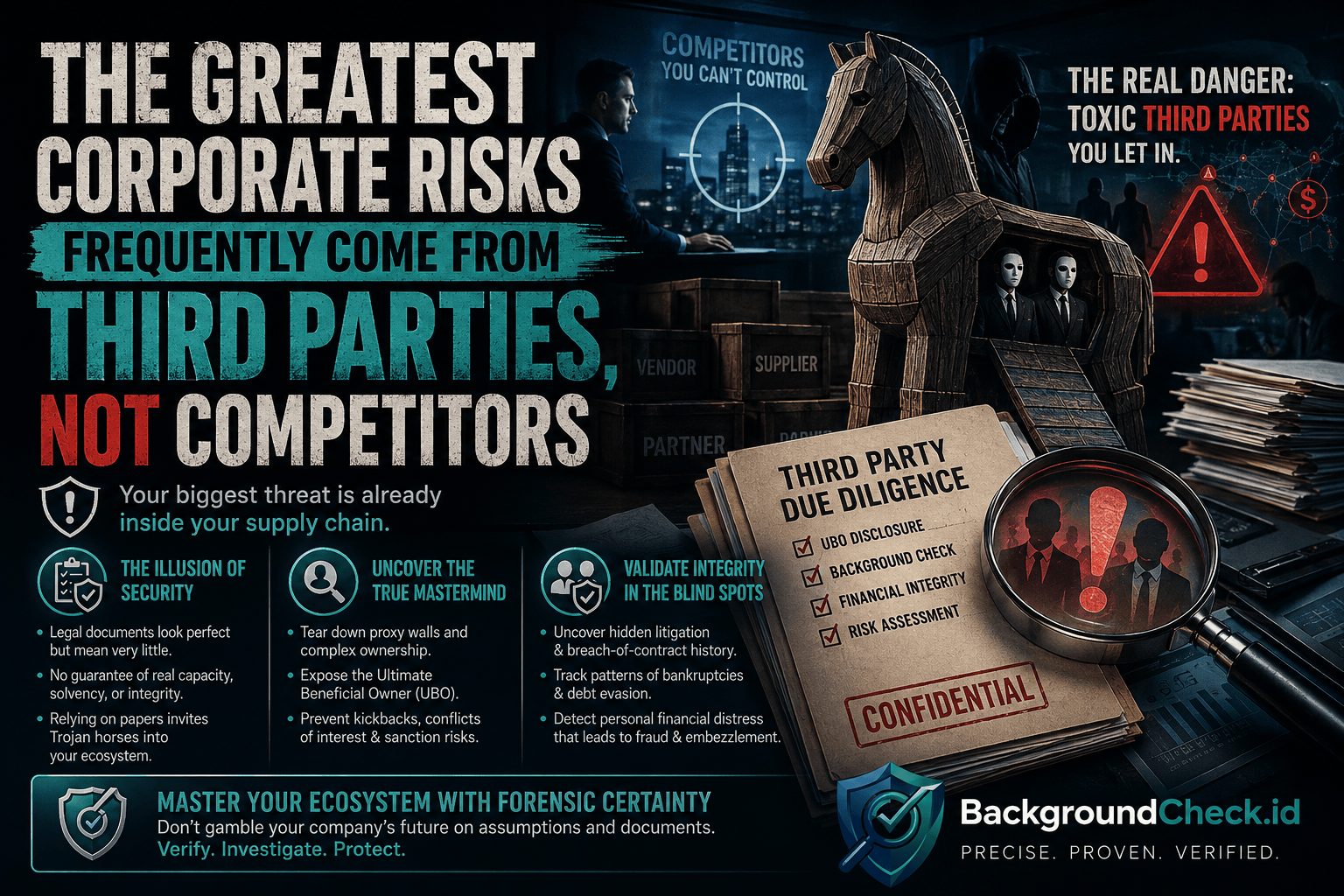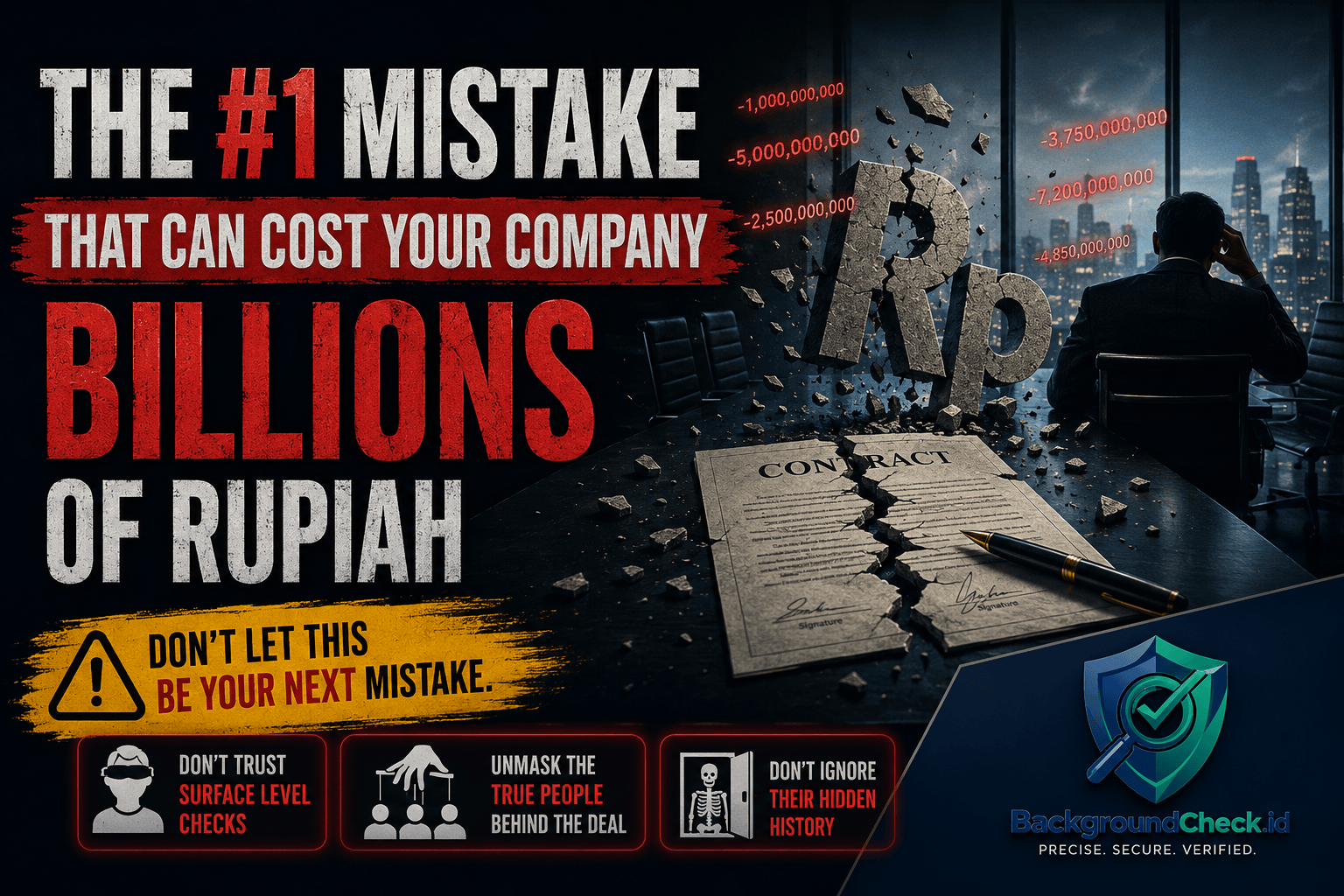
Modern corporations allocate massive budgets to fortify cybersecurity, hire elite law firms, and implement strict internal audits. Yet ironically, with just a single signature on a B2B contract, millions or billions of dollars can evaporate overnight. This financial destruction is rarely caused by sophisticated system hacks; it almost always stems from one fatal mistake in the boardroom: making strategic decisions based purely on surface-level data without forensic intelligence validation.
Many executives and investment committees fall into the illusion that if a company possesses complete legal documents, a luxurious office, and a convincing presentation, they are a secure entity. In the high-stakes business arena, commercial predators heavily rely on this corporate naivety. Here is the anatomy of the multi-million-dollar mistake continuously repeated in the business world, and how you can avoid it.
1. The Trap of Superficial Verification and Compliance Illusions
The first and most common mistake is treating Due Diligence as a mere administrative checklist. Your legal team may have verified the opposing party's Deeds of Incorporation, tax reports, and business licenses. The management team then feels completely secure.
The brutal fact: administrative documents are inanimate objects that are incredibly easy to polish. B2B fraud syndicates and shell companies deliberately construct these stacks of official documents as a shield. Trusting a business partner simply because they possess a piece of legal paper is equivalent to handing your vault keys to someone just because they are wearing a tailored suit.
2. The Failure to Unmask the True Mastermind (UBO)
The second treasury-draining mistake is the failure to identify exactly who you are paying. A vendor might legitimately win a multi-million-dollar tender on paper. However, management fails to realize that the board of directors signing the contract consists entirely of puppet directors (proxies).
To avoid this lethal trap, the deep execution of
3. Ignoring the Executives' "Skeletons in the Closet"
Legal entities cannot defraud you; the humans behind them do. The third massive mistake is assuming that if a company's name is free from bad news on Google, its executives must be people of high integrity.
Frequently, a person's darkest track records are protected by strict Non-Disclosure Agreements (NDAs) or astronomically expensive digital sanitization campaigns. To protect your company, the identities of the target's controlling board must be cross-validated through the execution of an enterprise-scale
Stop the Tradition of Corporate Gambling
Approving commercial agreements armed with assumptions and cosmetic documents is not a business strategy; it is corporate gambling. Repeating this mistake means voluntarily surrendering your profit margins to commercial predators.
Take absolute control of your financial security. Through a precise intelligence investigation architecture,