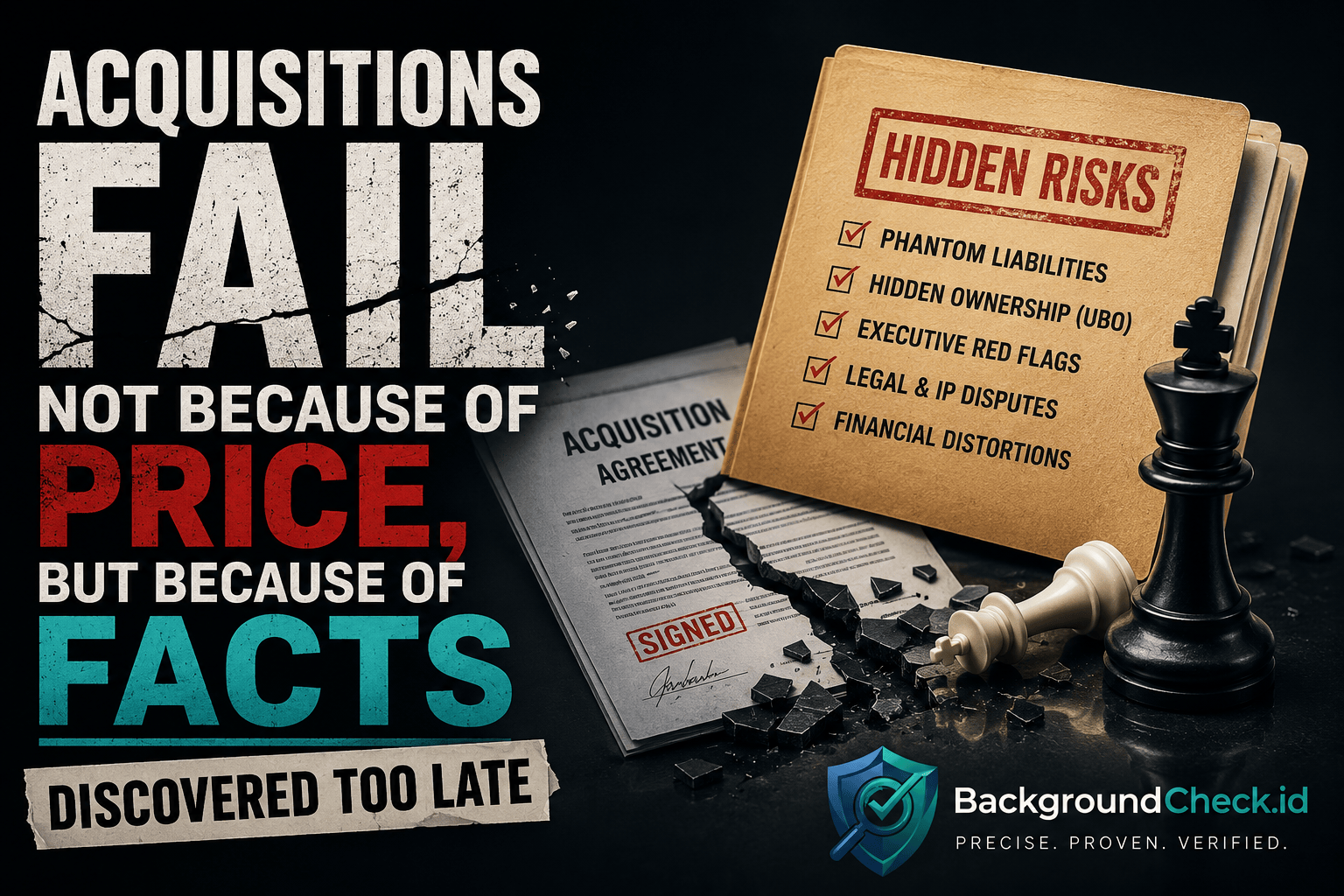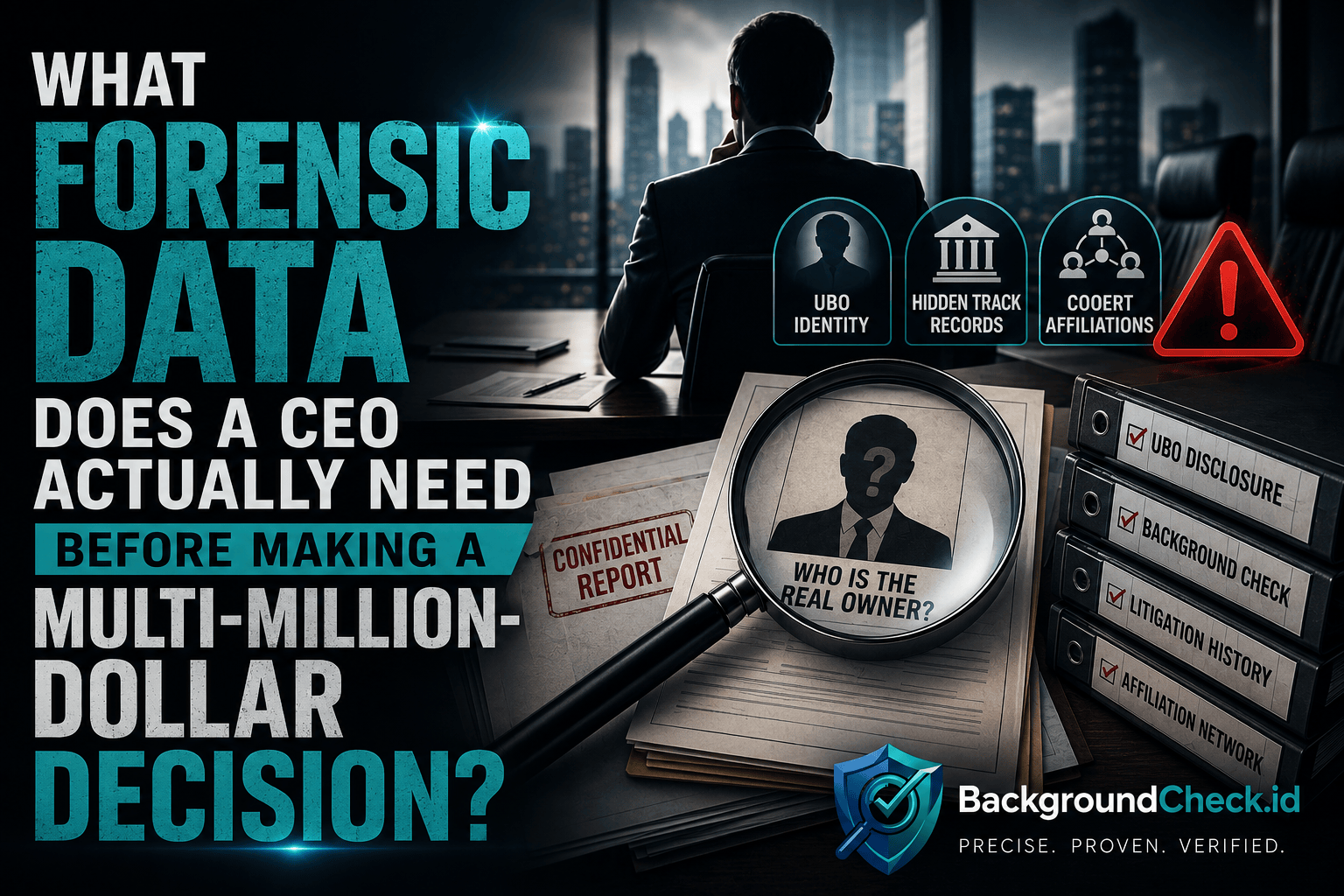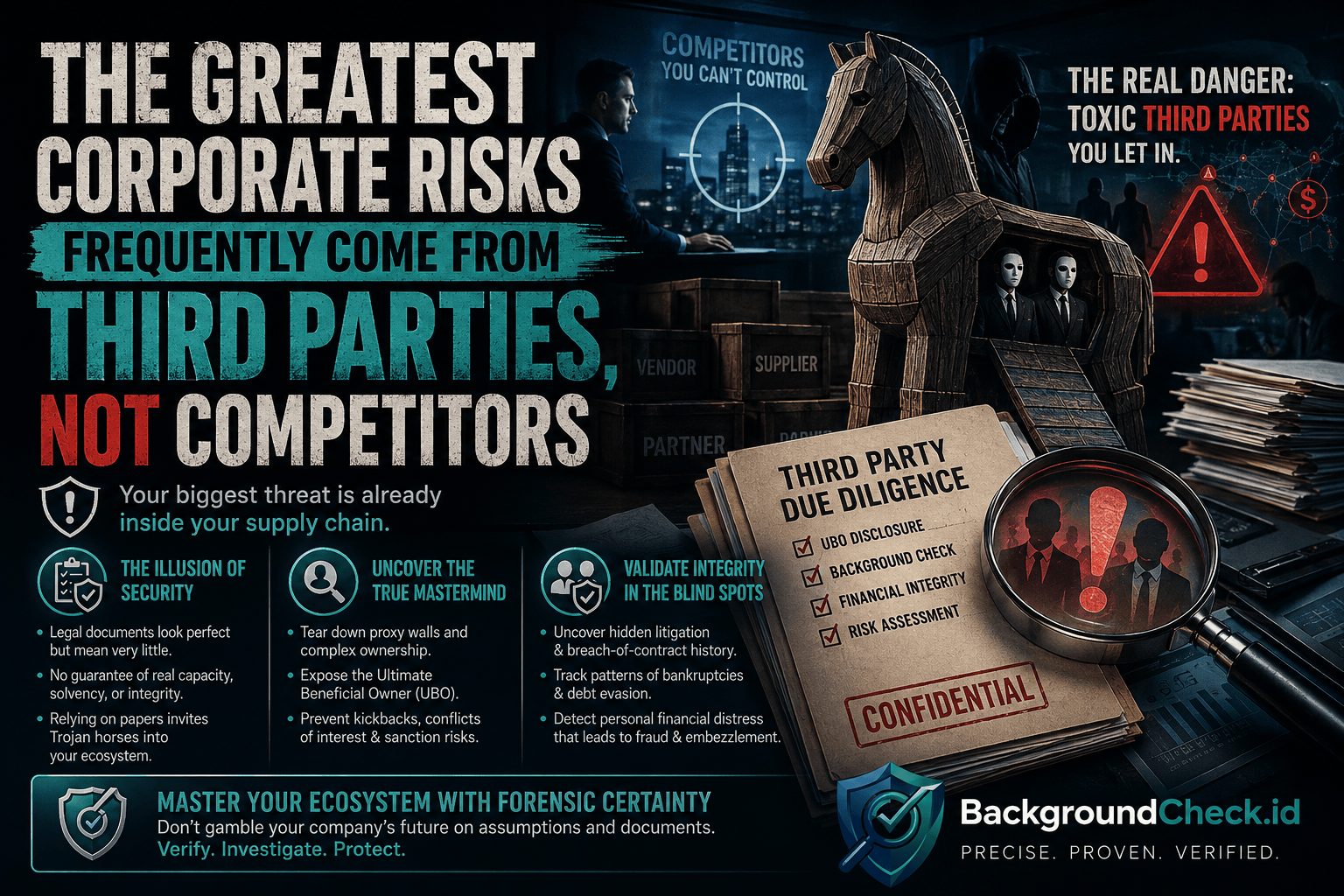
Many multinational corporations and public companies feel immune to fraud because they possess massive compliance departments, complete ISO certifications, and multi-layered Standard Operating Procedures (SOPs). Ironically, however, these highly compliant companies frequently still lose millions of dollars to both internal and external fraud. How can this happen?
The answer lies in a fatal misunderstanding in the boardroom: administrative compliance is frequently mistaken for absolute security. Complying with regulations certainly prevents government fines, but it is absolutely not designed to stop cunning commercial predators. B2B fraud syndicates actually weaponize your company's "compliance" framework to infiltrate your ecosystem.
Here is why even the most strictly compliant companies remain easy targets for corporate crime.
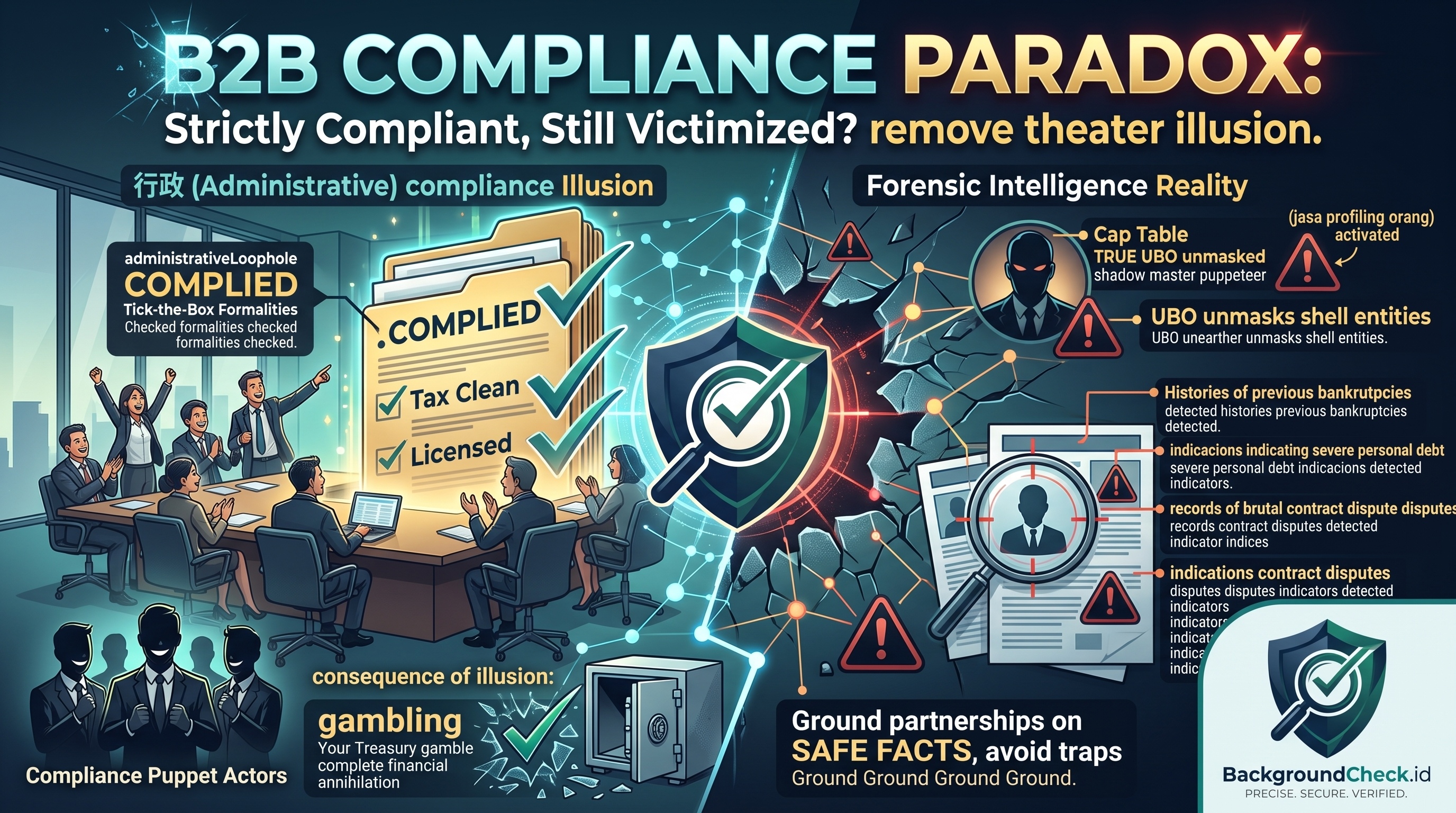
1. The Illusion of the "Tick-the-Box" Approach
Compliance departments generally operate on a tick-the-box approach. If a prospective vendor submits a Deed of Incorporation, business licenses, tax reports, and an anti-bribery policy, the system automatically greenlights them.
White-collar criminals perfectly understand this bureaucratic algorithm. They specifically establish shell companies and hire legal consultants to ensure all their documents are 100% legally compliant on paper. Compliance only checks for the existence of documents; it does not verify the operational reality or the hidden intentions behind those documents.
2. Compliance Stops at the Proxy Wall (UBO)
Standard regulations frequently only require the identification of the parties whose names are listed on the corporate deed. Unfortunately, for crime syndicates and corrupt individuals, the names on legal documents are almost always puppet directors (proxies).
Conventional compliance systems lack the instruments to pierce this wall. At this exact juncture, the in-depth execution of
3. Regulations Cannot Measure Human Integrity
A legally incorporated company does not possess the intent to defraud; the humans behind it engineer the breach-of-contract schemes. Compliance standards are not designed to detect the motives, financial desperation, or sociopathic character of an executive.
To mitigate this lethal risk, your compliance defenses must be reinforced through the execution of an enterprise-scale
Transform Compliance into Active Intelligence
Administrative compliance is the minimum standard to operate, but forensic intelligence is the absolute requirement to survive. Approving a multi-million-dollar deal simply because the opposing party "passed the document audit" is corporate suicide.
Take absolute control of your financial security. Through a precise intelligence investigation architecture,